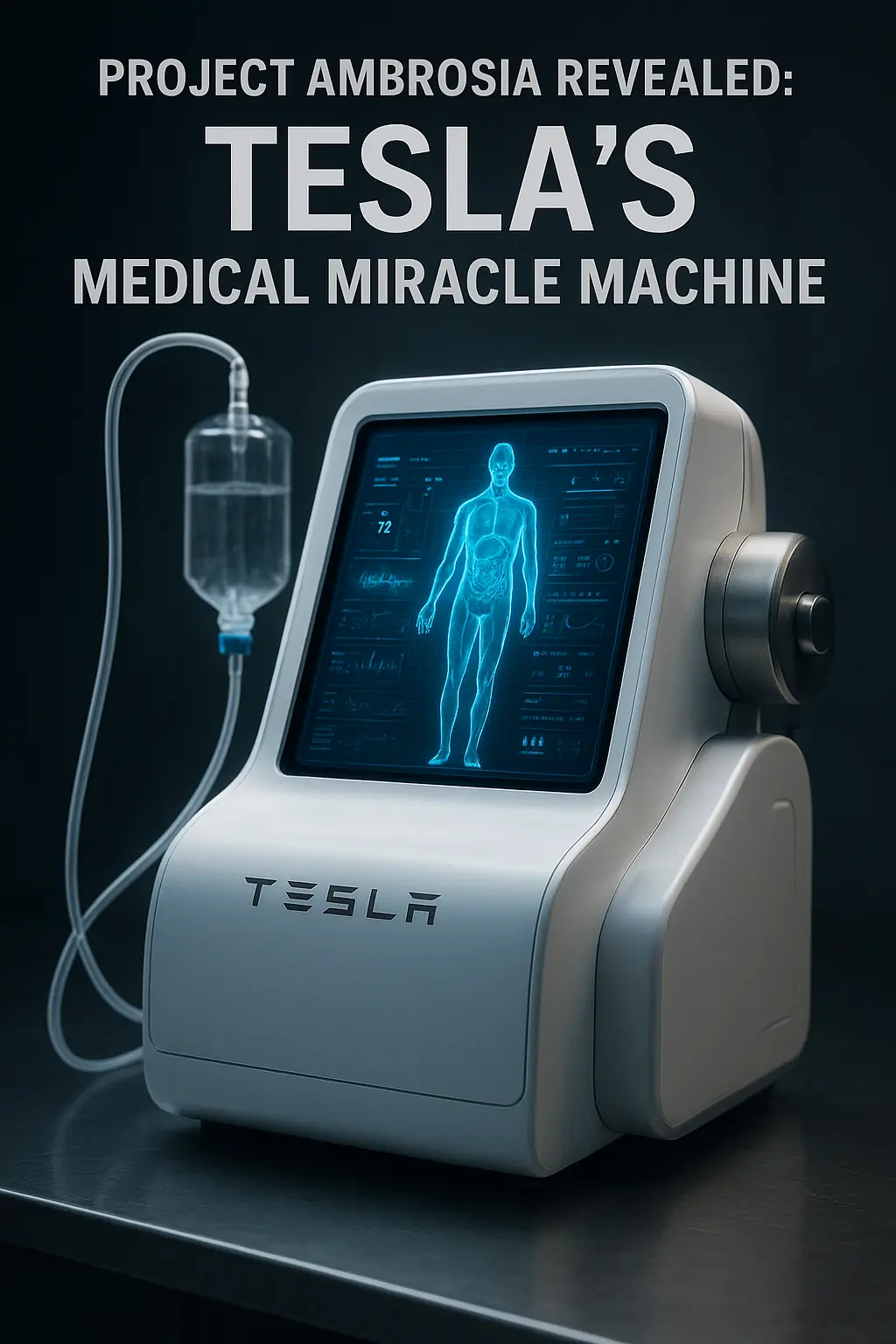
⚠️ Analytical Fiction – Not Real News
This article explores speculative future scenarios of how AI might transform medicine. It examines current research trends and projects possible developments based on existing technologies. This is not reporting on actual Tesla products but analysis of potential future directions in healthcare technology.
Exploring How AI Could Revolutionize Future Medical Treatments
The intersection of artificial intelligence and medicine represents one of the most promising frontiers in healthcare innovation. While no single breakthrough has “solved” diseases like cancer or autoimmune disorders, examining how future AI systems might approach these challenges reveals both the potential and current limitations of technology-driven medicine.
Current State: AI in Healthcare Today
Today’s AI applications in medicine are already making significant impacts, though at a more incremental pace than futuristic scenarios suggest:
🔍 Medical Imaging Analysis
AI algorithms help radiologists detect tumors, fractures, and abnormalities in X-rays, MRIs, and CT scans with increasing accuracy, though human verification remains essential.
🧬 Drug Discovery Acceleration
Machine learning models predict molecular interactions and suggest potential drug candidates, significantly reducing early-stage research timelines.
📊 Personalized Treatment Planning
AI analyzes patient data to suggest customized treatment approaches, though clinical implementation requires extensive validation.
The “Ambrosia” Concept: A Thought Experiment
Imagining a system like “Project Ambrosia” helps explore what would be required for AI to achieve transformative medical breakthroughs. While fictional, analyzing such concepts reveals technological gaps that researchers are actively working to address:
What Would Be Required:
- Advanced Cellular Understanding: Comprehensive mapping of cellular communication networks and signaling pathways
- Precision Intervention: Technologies capable of targeting specific cells without affecting healthy tissue
- Real-time Monitoring: Systems to track cellular responses and adjust treatments dynamically
- Safety Mechanisms: Fail-safes to prevent unintended consequences of cellular reprogramming
Real Companies Working on Related Technologies
| Company | Actual Work | Timeline |
|---|---|---|
| Google Health AI | Medical imaging analysis, disease prediction | Current deployment |
| Insilico Medicine | AI-driven drug discovery | Clinical trials |
| Tesla (actual work) | Neural devices (Neuralink), not disease cures | Early research |
| CRISPR companies | Gene editing for specific diseases | Limited approvals |
Challenges to Overcome
Major Hurdles in AI-Driven Medicine:
- Biological Complexity: Human biology involves billions of interacting components at multiple scales
- Safety Requirements: Medical interventions require extremely high safety standards
- Regulatory Pathways: New technologies need extensive clinical validation
- Ethical Considerations: Cellular reprogramming raises important ethical questions
- Access and Equity: Ensuring advanced treatments reach all who need them
Realistic Timeline for AI in Advanced Medicine
Based on current research trajectories:
📅 Short-term (1-5 years):
- AI-assisted diagnosis becoming standard
- Personalized treatment recommendations
- Drug discovery acceleration
- Remote monitoring and telemedicine enhancement
📅 Medium-term (5-15 years):
- Integration of multi-omics data for comprehensive health profiles
- AI-designed clinical trials
- Advanced prosthetics and neural interfaces
- Early disease prediction with high accuracy
📅 Long-term (15+ years):
- Potential for significant disease modification (not necessarily cures)
- Advanced human-machine interfaces
- Comprehensive health optimization systems
- Maybe: targeted cellular interventions for specific conditions
The Tesla Connection: Separating Fact from Speculation
While Tesla (and Elon Musk’s Neuralink) are indeed working on brain-computer interfaces, their medical applications are more limited than speculative scenarios suggest:
- Actual Neuralink work: Brain implants for paralysis, communication disorders
- Not working on: Cancer cures, autoimmune disease treatments, cellular reprogramming
- Timeframe: Early human trials for specific neurological conditions
- Scope: Assistive devices, not broad-spectrum medical cures
Ethical Framework for Future Medical AI
As AI potentially plays larger roles in medicine, establishing ethical guidelines is crucial:
Core Ethical Principles:
- Patient Autonomy: Maintaining human control over medical decisions
- Safety First: Extensive testing before clinical application
- Transparency: Clear understanding of AI recommendations
- Equity: Ensuring access across socioeconomic groups
- Human Oversight: Doctors remain ultimately responsible
Conclusion: Incremental Progress Toward Transformative Goals
The future of AI in medicine will likely involve gradual, evidence-based progress rather than sudden breakthroughs. Systems that can truly “cure” complex diseases remain speculative, but incremental improvements in diagnosis, treatment personalization, and monitoring are already enhancing patient care.
The most promising path forward combines AI’s analytical capabilities with human medical expertise, rigorous scientific validation, and ethical frameworks that prioritize patient wellbeing. While futuristic scenarios like “cellular reprogramming” capture imagination, the near-term reality will involve more modest but meaningful improvements in healthcare delivery and outcomes.
🔑 Key Takeaways:
- Current AI in medicine focuses on assistance, not autonomous cures
- Transformative breakthroughs require solving fundamental biological challenges
- Progress will likely be incremental and evidence-based
- Ethical considerations must guide AI medical development
- The best outcomes will come from human-AI collaboration